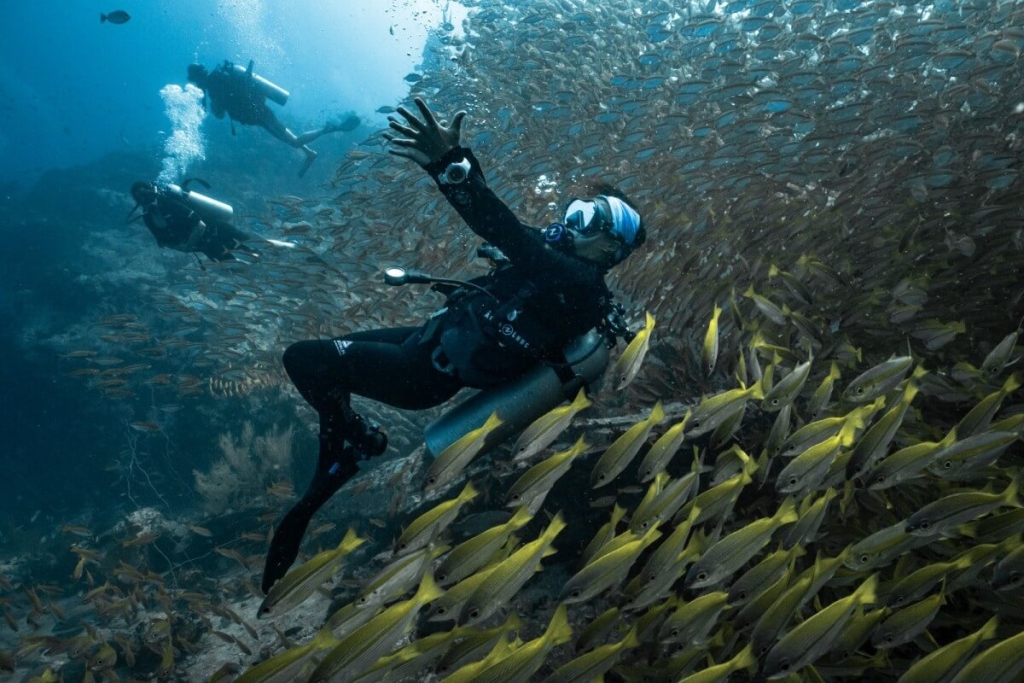
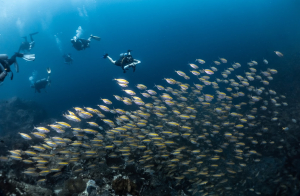

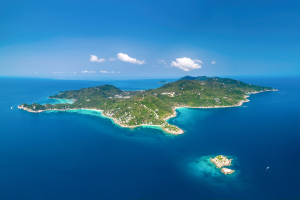
Koh Tao is not only one of the best places in the world to learn to dive, it is also among the most biodiverse. From shimmering coral gardens and schools of fish to gentle turtles and the occasional whale shark, each dive offers something new to find.
The warm waters of the Gulf of Thailand host hundreds of species of fish, vibrant corals, and fascinating marine creatures, making Koh Tao a true paradise for divers, photographers, and ocean enthusiasts.
On any given dive you might drift over coral gardens alive with colour, come face to face with a turtle, or glance into the blue just as a whale shark cruises past. Here’s a closer look at the marine life you can hope to meet beneath the waves, starting with the reef’s most colourful everyday residents..
Reef Residents, Colourful & Curious
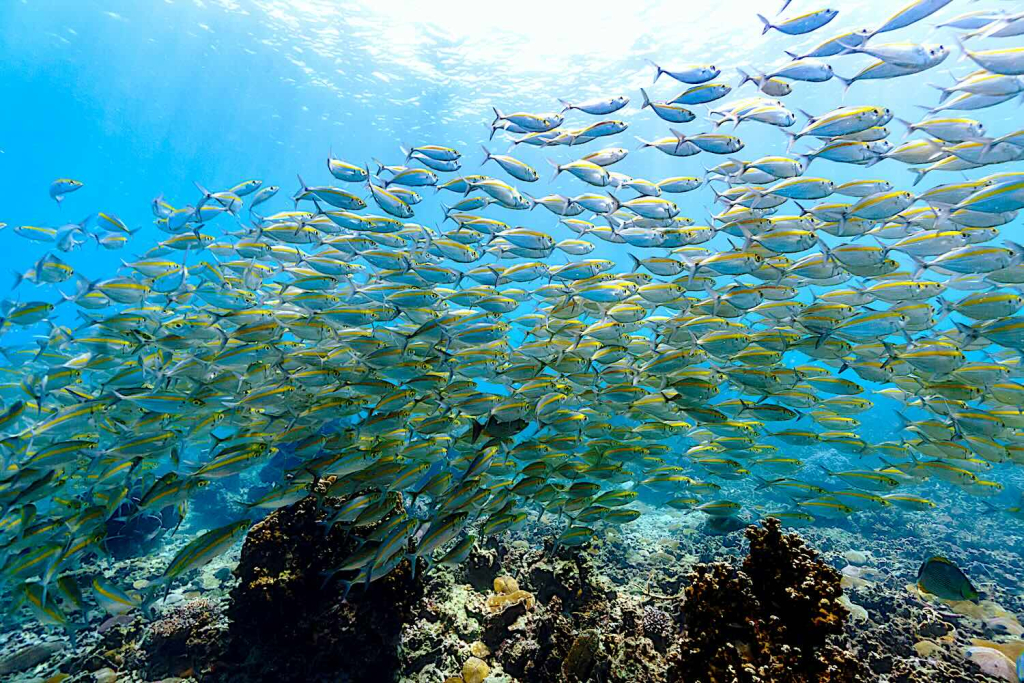
The shallow reefs around Koh Tao teem with movement and color. On almost every dive, you will see:
- Angelfish, butterflyfish, and parrotfish grazing on the corals
- Clownfish (yes, Nemo!) hiding in protective anemones
- Blue-spotted stingrays resting on sandy patches
- Moray eels peeking from rocky crevices
- Porcupinefish puffing up when startled
- Cleaner wrasse busy tending to passing fish clients
These friendly residents bring life and wonder to your first dives.
Corals & Invertebrates, The Foundation of Life
Koh Tao’s reefs consist of a mix of hard and soft corals, which create homes for thousands of smaller species. You will discover:
- Table and brain corals in the shallows
- Whip and fan corals decorating the deeper pinnacles
- Anemones, feather stars, and sponges swaying in gentle currents
- Nudibranchs (colorful sea slugs) scattered everywhere if you look closely
This variety in coral life makes Koh Tao one of the most photogenic and diverse reef systems in Thailand.
Bigger Encounters, The Ocean’s Giants
For many divers, the most unforgettable moments in Koh Tao come from its larger visitors.
Whale Sharks
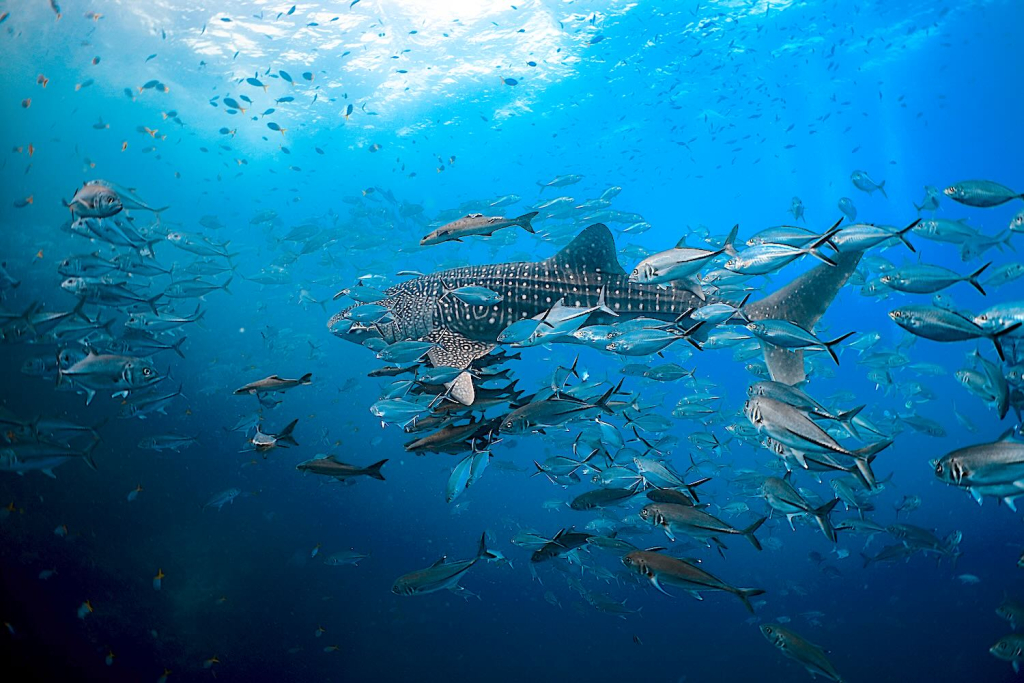
These gentle giants pass by the island several times a year, especially around Chumphon Pinnacle, Southwest, and Sail Rock. Completely harmless to humans, whale sharks are plankton feeders, and spotting one is a bucket-list experience you will never forget.
Best months: March to May and September to October.
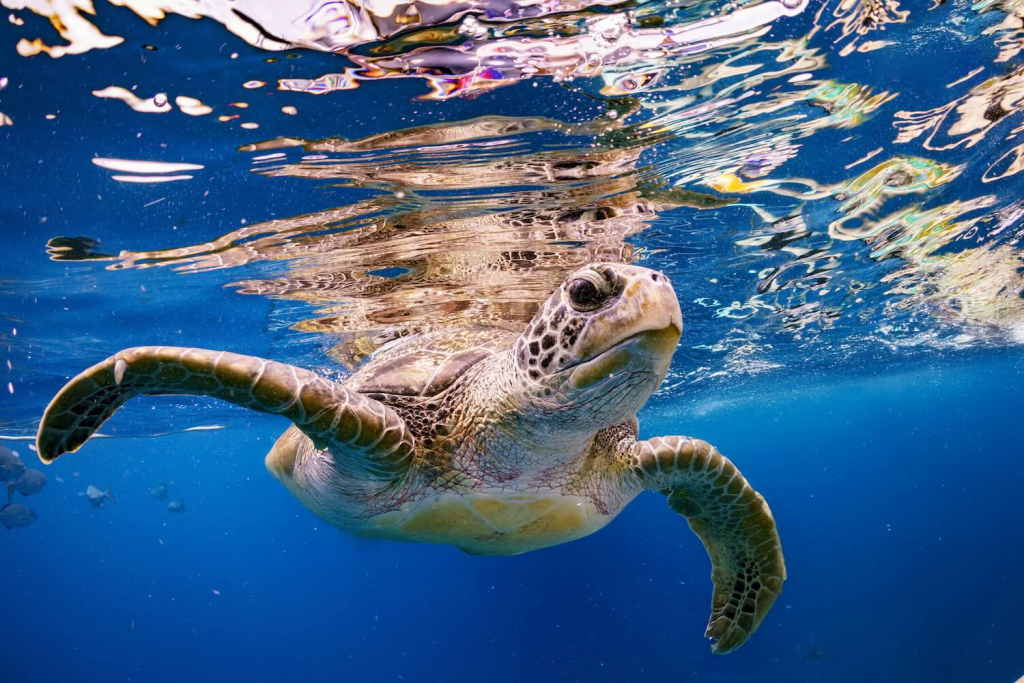
Sea Turtles
Both green turtles and hawksbill turtles regularly visit Koh Tao’s reefs, often spotted at White Rock, Hin Wong, and Shark Island. Many have become so familiar that locals even know them by name!
Reef Sharks & Rays
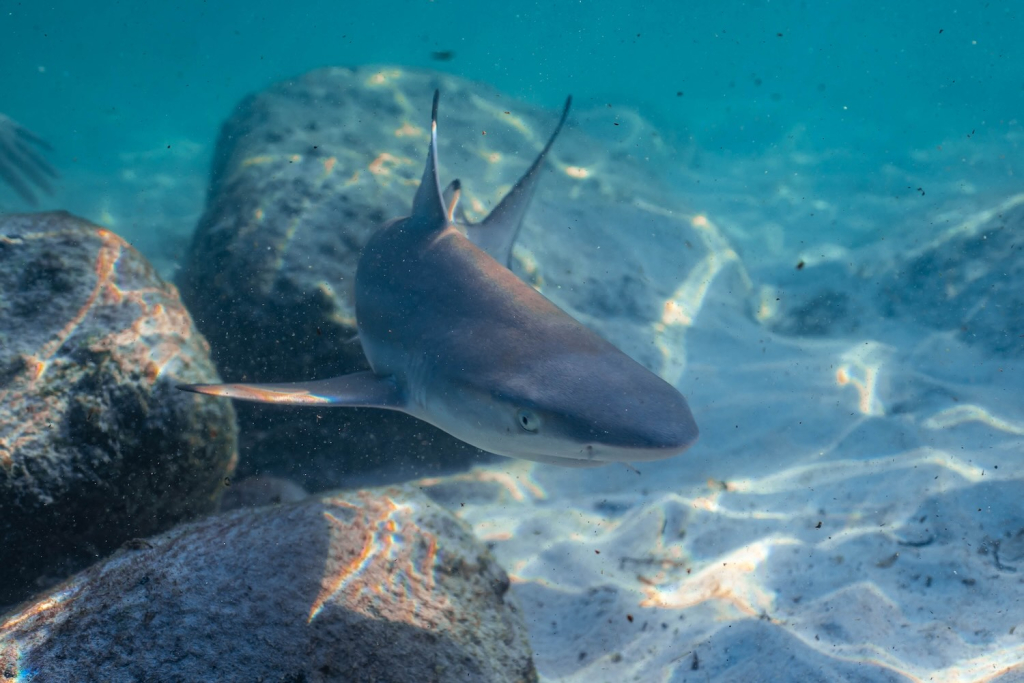
If you’re lucky, you might see blacktip reef sharks cruising in shallow waters or cobias gliding alongside schools of snapper. Deeper sites sometimes reveal Jenkins rays resting on sandy bottoms, an incredible sight for underwater photographers.
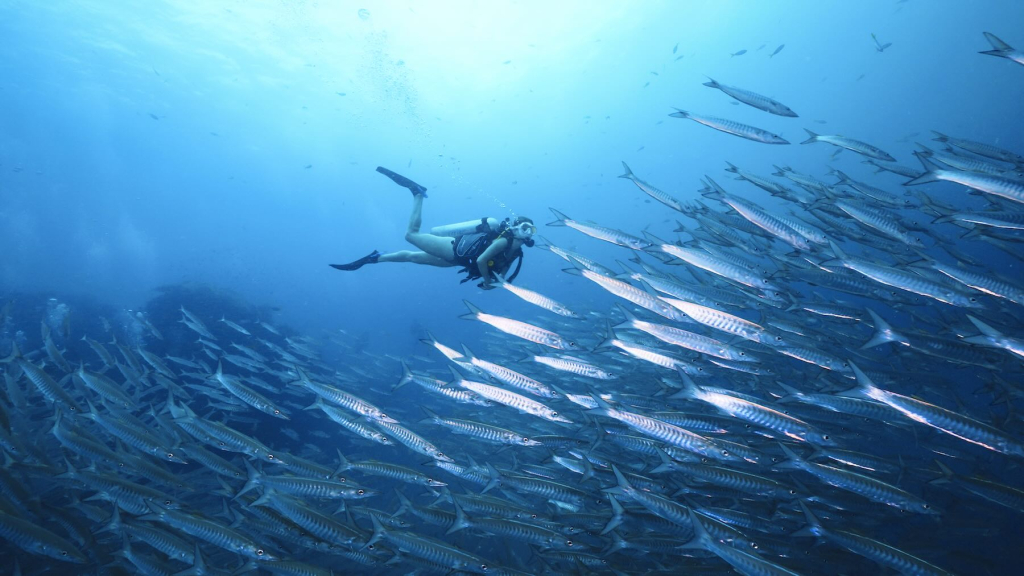
Night-Time Magic, The Ocean After Dark
When the sun sets, a whole new cast of creatures comes out. During a night dive, your torch beam will reveal:
- Octopus and cuttlefish hunting across the reef
- Crabs and shrimp scuttling through coral heads
- Sleeping parrotfish wrapped in their protective mucus cocoons
- Spanish dancers (large, flowing nudibranchs) drifting gracefully through the dark
The reef feels completely different at night, quieter, mysterious, and alive in a new way.
Seasons & Conditions
Diving in Koh Tao happens year-round, but the marine life changes slightly with the seasons:
Season Highlights
- March to May: Warm water, best chance of whale sharks, coral spawning events
- June to August: Peak diving season, calm seas, vibrant reefs, and fish activity
- September to October: Another whale shark season, amazing visibility at deeper sites
- November to January: Fewer tourists, lush green island, occasional currents, but great for macro photography
- February: Transition month, calm, clear, and full of life returning to the reefs
No matter when you visit, the waters around Koh Tao are clear, warm, and full of life, ideal for diving, training, or photography.
Why Koh Tao’s Marine Life Matters
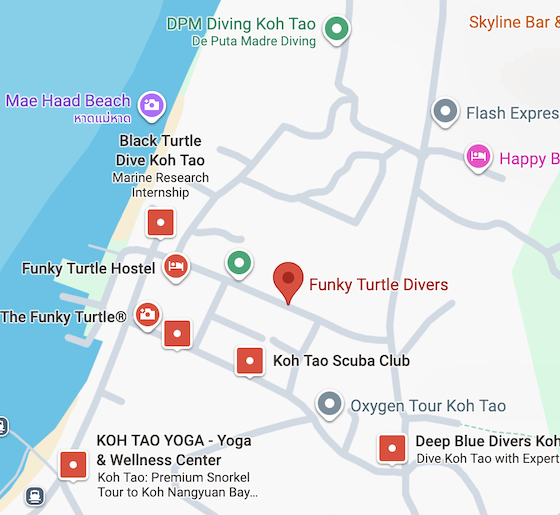
At Funky Turtle Divers, we believe the ocean provides us with adventure, wonder, and peace. That’s why we are passionate about protecting it. We support local reef monitoring and island conservation projects, encourage eco-friendly diving practices, and teach all our divers how to “dive smart, stay funky,” respecting the marine environment every step of the way.